Everything a product needs, from one team
Software development from Kathmandu: design, apps, the servers behind them, and the care afterwards. Most projects use three or four of these together.







How a project runs
Understand
A conversation about the people who will use it and what success looks like, before any talk of features.
Shape
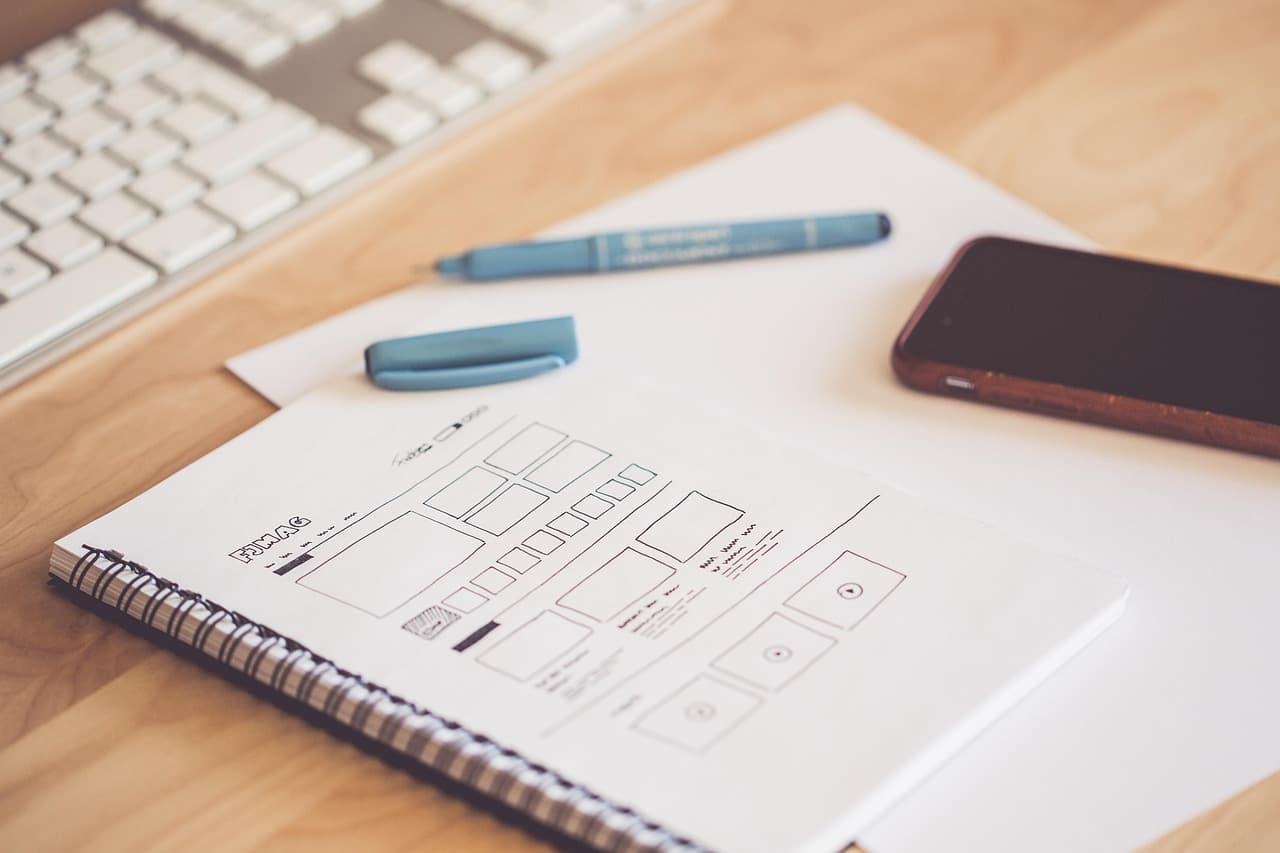
The smallest version worth building, drawn as flows and screens, with a fixed scope and price.
Build
Working software every week on a link you can open. No big reveal at the end.
Launch
Store review, domains, payments and the first real users, handled with you.
Look after
Updates, fixes and the next round of improvements, for as long as the product runs.
Three ways to work with us
A project
Best for: a first version or one clear piece of work
An agreed scope, price and date. You see working software every week and pay by milestone.
A monthly team
Best for: a product that keeps growing
Design and engineering time each month. Priorities are yours and can change whenever they need to.
A review
Best for: an app, codebase or design you are unsure about
A short written report with what we found, ranked by what to fix first. No obligation to continue.
Asked before signing
How much does a project cost?
It depends on scope, so we price after the first conversation and fix the number before work starts. A review is the cheapest way to begin.
How long does a first version take?
Most first versions of an app with a backend take two to four months from the first conversation to the stores.
Do you work with companies outside Nepal?
Yes. We work in English, in writing, with a weekly call at a time that suits you.
Who owns what you build?
You do: the code, the designs and every account. That is written into the agreement.
What if we already have developers?
Then we take one piece, such as design, the mobile app or an AI feature, and work alongside them in your repository.
Tell us what you are making.
A few lines is enough. A person reads it and writes back with what it would take.